Une rencontre à voix nue
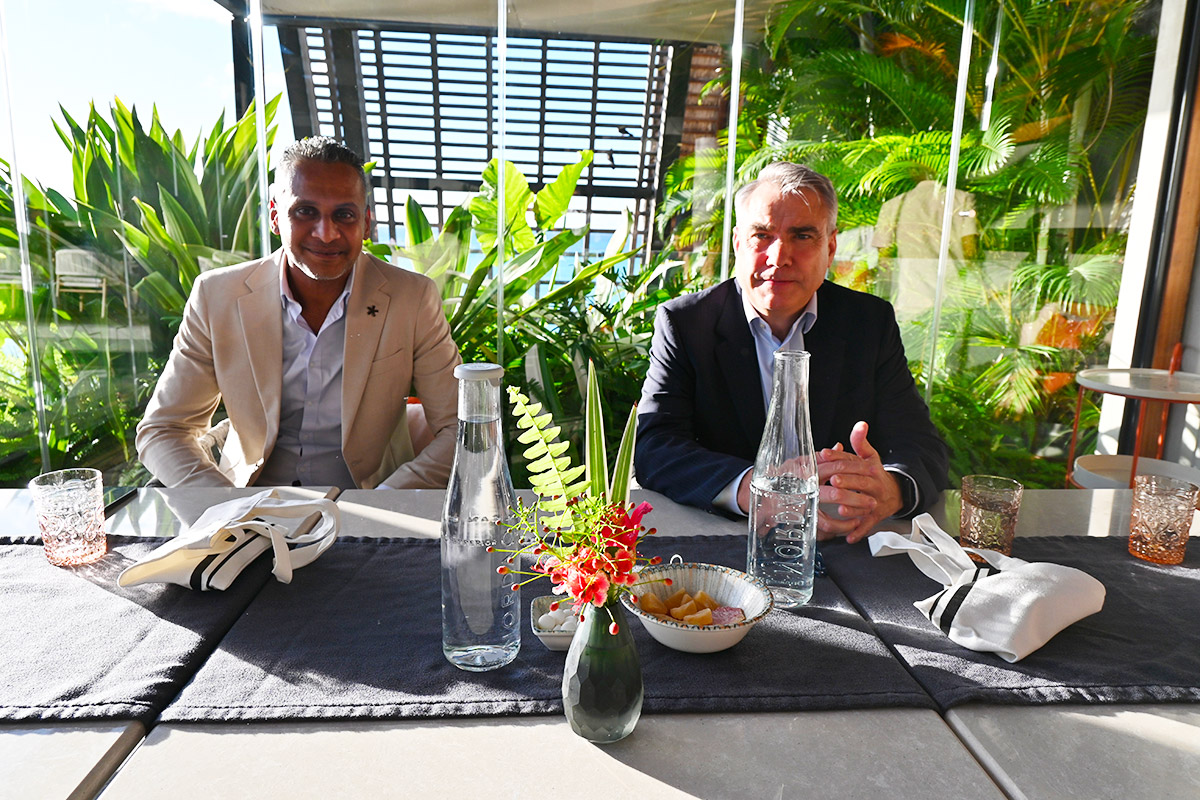
L'après-midi s'étire sur la côte nord-ouest de l'île. Quelques journalistes, conviés à un media tour des espaces LUX* Grand Baie par Stéphan Anseline, le directeur général de l'établissement, viennent d'achever la visite des quatre étages dédiés au bien-être, de LUX* Grand Baie et du Tree of Wishes, où chacun a déposé un vœu. La séquence finale s'engage sans diapositives ni éléments de langage. « Je n'ai pas de PowerPoint et je ne vous mettrai pas en retard pour aller chercher les enfants à l'école », sourit Paul Mulcahy. La méthode, en elle-même, dit déjà quelque chose du groupe.
Nommé directeur commercial en novembre 2024, l'Irlandais — passé par Mövenpick, Pierre & Vacances - CenterParcs et RCI — décrit un opérateur construit à rebours des modèles dominants. « Beaucoup d'entre nous, dans cette entreprise, ont travaillé pour de nombreuses sociétés et observé bien des manières d'exploiter des hôtels », rappelle-t-il. Au cœur de la singularité revendiquée : la mauricianité. « Le sourire mauricien, le service à la mauricienne — c'est ce qui fait la différence quand on nous compare à nos concurrents internationaux, et plus encore lorsque nous portons cet esprit dans de nouvelles destinations. »
« Big enough to matter, small enough to care »
Dix-sept hôtels en exploitation, seize en pipeline jusqu'en 2028 : le rythme est soutenu, la sélectivité assumée. « Nous sommes très souvent sollicités pour reprendre des hôtels, et nous en refusons beaucoup », souligne le dirigeant. La règle est posée : chaque ajout doit renforcer LUX*, jamais le diluer.
La formule maison résume la philosophie. « Big enough to matter, but small enough to care » — assez grand pour compter, assez petit pour prendre soin. Une posture difficile à tenir à mesure que la société grandit, qui implique de transposer, dans chaque nouvelle destination, des cadres « qui connaissent la marque sur le bout des doigts, le plus souvent venus de Maurice », chargés d'« insuffler dès le premier jour l'ADN LUX* ».
La durabilité, autre pilier, n'est pas confiée à un département centralisé. « Il est facile pour un groupe de dire qu'il plante un arbre à chaque check-in », pointe Paul Mulcahy. La méthode revendiquée tient davantage du long-cours : aux Maldives comme à Zanzibar, à Grand Baie comme au Morne, chaque hôtel imagine ses propres initiatives, ancrées dans le voisinage immédiat. « Parce que cela vient de la propriété elle-même, c'est durable. Cela continuera. »
Une feuille de route Afrique-Asie-Moyen-Orient
Le calendrier des ouvertures dessine, presque à lui seul, la mondialisation du groupe. Au deuxième trimestre 2026, deux établissements rwandais inaugureront un nouveau territoire : un projet sur les rives du lac Kivu et un SALT en cœur de parc national, qualifié par Paul Mulcahy de « léger pas de côté ». L'opérateur, davantage habitué aux destinations balnéaires, s'aventure dans la grammaire du safari — mais à sa manière. « L'expérience telle qu'elle existe aujourd'hui peut tenir de l'épreuve : on arrive après un long vol, on se sent comme sorti d'un lave-linge, on est réveillé à cinq heures du matin pour repartir... C'est extraordinaire, mais nous croyons qu'il y a autre chose : prendre une demi-journée, embrasser la culture, profiter des gens. Il y a plus dans des vacances que photographier des animaux. »
L'année 2027 marque l'entrée en force en Asie. Au cœur du dispositif, LUX* On The Bund Shanghai — la reconversion d'un immeuble de bureaux face au fleuve Huangpu — fera son entrée dans la ville-vitrine chinoise. « Vous avez le Four Seasons et le Fairmont sur le Bund. Nous serons à l'extrémité, avec une arène devant nous et notre propre yacht pour les sundowners », précise le dirigeant. La percée est stratégique. « C'est une métropole de premier rang, qui nous mettra réellement sur la carte. »
Toujours en Chine, la marque ouvrira LUX* Tea Horse Road, dans le Sichuan, sur les contreforts tibétains. Le projet rappelle la route historique du commerce du thé entre la Chine et le Tibet ; il conjuguera 90 chambres en montagne à 10 chambres dans une vieille ville bordée d'une rivière, où un Maison LUX* est également prévu. La même année, le groupe inaugurera ELIRE Managed by LUX*, première incursion de la marque dans le résidentiel de luxe à Dubaï. Implantées en plein Business Bay, les cent résidences signées avec le promoteur QUBE Development marquent l'entrée du groupe sur le marché des branded residences au Moyen-Orient.
À Sharjah, deux ouvertures consolideront la présence aux Émirats : LUX* Al Bridi, retraite sous tente d'inspiration safari de 35 unités, et LUX* Khorfakkan, davantage tourné vers la mer côté Oman, sur le golfe d'Oman. « Si vous voulez échapper à la frénésie de Dubaï avec votre famille, c'est à deux heures de route », résume Paul Mulcahy.
L'horizon 2028 est celui des destinations longues. LUXNAM* Phu Quoc, au nord de l'île vietnamienne, sera la première propriété entièrement sur pilotis du groupe à l'extérieur des Maldives, lovée dans la réserve de biosphère de Kien Giang. Le directeur commercial évoque un écosystème singulier — « ils ont une race de chien indigène qui ne vit que là, avec des pattes adaptées pour grimper aux arbres ». Au sud du continent africain, une autre ouverture, sur le Zambèze à proximité des chutes Victoria, permettra d'esquisser une logique de circuits régionaux, à l'image du Tea Horse Tour en Chine. « Si vous êtes au Rwanda, c'est environ trois heures de route entre nos deux établissements. Vous avez la beauté du lac d'un côté, et si vous voulez voir les Big Five, c'est juste à côté. »
Le troisième trimestre 2028 verra l'ouverture de SALT of Virgin Beach à Bali — une première en Indonésie pour la marque sœur. L'enseigne SALT incarne, selon Paul Mulcahy, la dimension la plus locale du groupe. « C'est aller dans une ferme, rencontrer les habitants, vraiment comprendre la culture. » À Maurice, SALT of Palmar est cité en exemple : un chef qui raconte les recettes de sa grand-mère, treize couverts seulement, un cocktail d'introduction « pour briser la glace » et — quand le directeur regarde ailleurs — « un peu de rhum offert à chacun ».
 Le bien-être, un pari de long terme
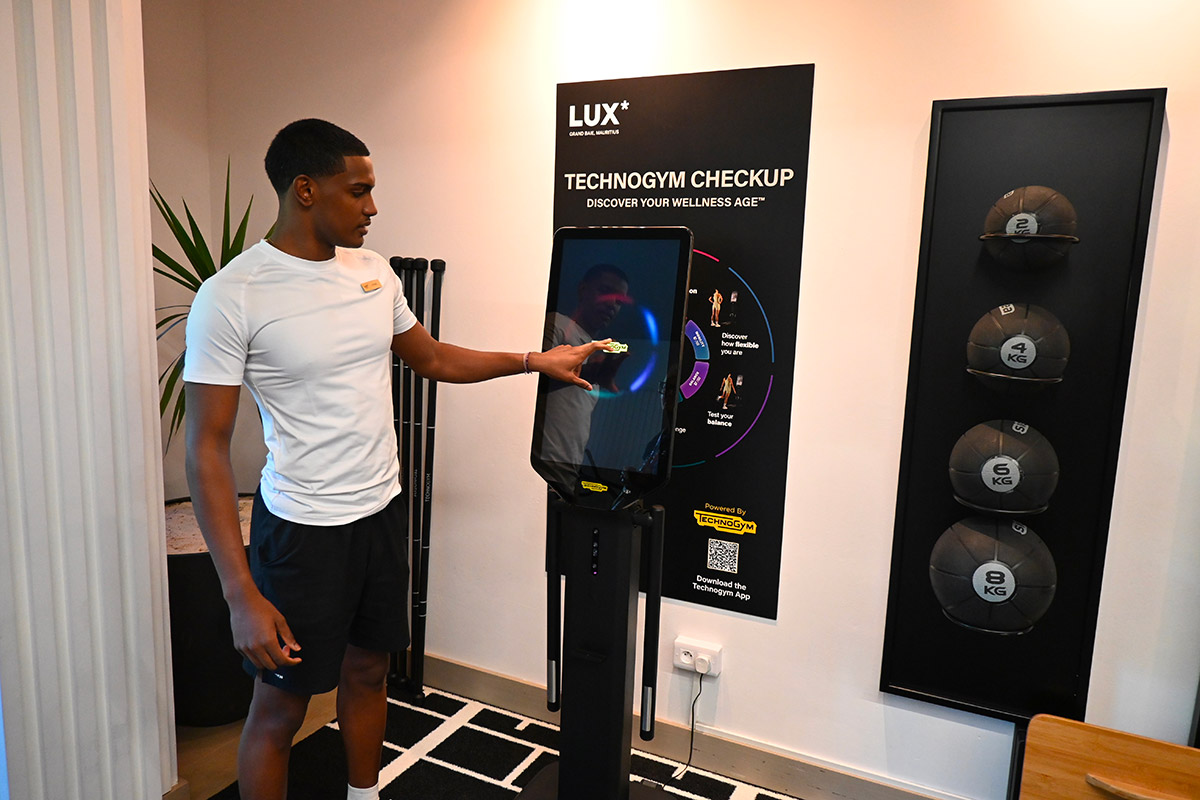
Pour un groupe hôtelier, consacrer quatre étages au bien-être plutôt que quatre suites face à la mer constitue un arbitrage assumé. « Cela rapporterait probablement davantage en chambres », reconnaît Paul Mulcahy. Mais la lecture du marché justifie la décision. Les voyageurs vivent plus longtemps, plus vite, et arrivent à un point de bascule. « C'est comme dans l'avion : on vous dit de mettre votre masque avant d'aider les autres. Les clients se posent désormais la question : et moi, qu'est-ce que je peux faire pour moi-même ? »
L'investissement en formation est à la hauteur. L'objectif : que les clients « prennent le temps de respirer, d'écouter, d'observer la faune et de prendre soin d'eux-mêmes ». Une orientation cohérente avec la trajectoire récente du groupe, primé Best Hospitality Group aux Travel d'Or 2026 à Paris et plusieurs fois distingué par le Forbes Travel Guide Five-Star.
L'intelligence artificielle, levier de service
L'IA ne sera pas pour le groupe un instrument d'économie de personnel — c'est l'autre message martelé par Paul Mulcahy. « Tout le monde dit que l'IA peut tout faire. Elle est là, c'est un fait. » Mais la lecture qu'en fait The Lux Collective tient d'un pari opposé : utiliser ces outils pour « libérer les équipes » et leur permettre « d'aller plus loin dans le service hyper-personnalisé ». Une formation a été dispensée la semaine précédente aux collaborateurs du groupe, pour préparer l'application de ces outils à chaque point de contact client, mais aussi sur les fonctions support — finance, ressources humaines, formation interne.
L'argument repose sur une analyse du marché. Les voyageurs longue distance — britanniques, français, allemands — qui acceptent quatorze heures de vol attendent autre chose qu'un service automatisé. « Cette chaleur ressentie en partant, c'est très difficile à offrir, et ce n'est pas la technologie qui le fera. » Le check-in numérique avant arrivée, en revanche, peut « rallonger le temps passé sur la plage ». Une distinction nette entre back-office et expérience.
Un actif mauricien : la résilience
Les semaines de turbulences aériennes via Dubaï, début 2026, ont mis à l'épreuve la capacité d'adaptation du groupe — tant à Maurice qu'aux Maldives. « Nous avons connu quelques semaines compliquées : tout vol passant par Dubaï posait problème », reconnaît Paul Mulcahy. À Maurice, l'effet a été partiellement absorbé par la diversification des liaisons aériennes — Air France, British Airways, Air Mauritius. « Maurice s'est forgée au fil des années une image de havre de paix. Nous avons d'ailleurs accueilli plusieurs familles venues de Dubaï. »
Aux Maldives, où 70 % du trafic aérien transite encore par le Golfe, la situation est demeurée plus tendue. Le directeur commercial salue toutefois la « résilience » des voyageurs et la « créativité » des compagnies, certains itinéraires passant désormais par le Sri Lanka. La gestion de crise est devenue partie intégrante du métier depuis le Covid. « Avant la pandémie, nous n'aurions probablement pas su nous adapter aussi vite. »
Le fil d'or et le collier de diamants
Comment maintenir un standard d'hospitalité homogène à mesure que le portefeuille s'étend ? Paul Mulcahy l'admet : c'est un défi. Mais qui se relève, selon lui, plus aisément qu'au sein des grands groupes hôteliers internationaux. « Nous nous connaissons tous. En Chine, par exemple, Daniel a passé des années à Belle Mare. Il connaît la maison, la maison le connaît. »
Les contrôles ne manquent pas : Forbes Travel Guide cinq étoiles décerné quatre fois à LUX* Grand Baie , lecture quotidienne des avis clients par la direction — Olivier Chavy, le directeur général du groupe, s'astreint à cette discipline, comme Paul Mulcahy lui-même —, réunion matinale de Stephan avec ses équipes. La vigilance est partout. « Nous sommes très proches des clients et de ce qu'ils pensent. Parce que c'est le futur. »
L'image préférée du dirigeant pour décrire la cohérence d'ensemble est celle d'un collier de diamants. Chaque hôtel, un diamant doté de sa personnalité — LUX* Grand Baie ne ressemble pas à LUX* Le Morne, qui ne ressemble pas à LUX* Belle Mare , qui ne ressemble pas aux Maldives. « Et puis il y a un fil d'or qui les traverse, c'est la marque LUX* : le sourire mauricien et l'importance accordée au service. » À mesure que The Lux Collective pose ses jalons en Afrique, en Asie et au Moyen-Orient, ce fil d'or devient, plus visiblement, la signature mauricienne d'un certain art d'accueillir.
The Lux Collective accelerates global expansion while holding fast to its Mauritian roots
Paul Mulcahy, the group's chief commercial officer, set out the roadmap yesterday before the press for a luxury hotel operator born in Mauritius. Seventeen properties in operation, sixteen openings planned by 2028, a declared selectivity: The Lux Collective defends a model of measured growth, anchored in Mauritian DNA and a pragmatic reading of artificial intelligence.
A conversation, plain and direct
The afternoon stretches over the north-western coast of the island. A handful of journalists, invited on a media tour of the LUX* Grand Baie facilities by Stéphan Anseline, the property's general manager, have just finished visiting the four floors devoted to wellness, then LUX* Grand Baie itself and the Tree of Wishes, where each guest has hung a wish. The closing session begins without slides or talking points. "I haven't got a PowerPoint, and I won't keep you from picking the children up from school," smiles Paul Mulcahy. The method itself already says something about the group.
Appointed chief commercial officer in November 2024, the Irishman — a veteran of Mövenpick, Pierre & Vacances – Center Parcs and RCI — describes an operator built against the grain of the dominant models. "Many of us in this company have worked for any number of organisations and seen all kinds of ways of running hotels," he recalls. At the heart of its claimed singularity: Mauritianness. "The Mauritian smile, the Mauritian way of serving — that is what makes the difference when you compare us to our international competitors, and even more so when we carry that spirit into new destinations."
'Big enough to matter, small enough to care'
Seventeen hotels in operation, sixteen in the pipeline through 2028: the pace is brisk, the selectivity acknowledged. "We are very often approached to take over hotels, and we turn down a great many," the executive notes. The rule is set: every addition must reinforce LUX*, never dilute it.
The in-house formula sums up the philosophy. "Big enough to matter, but small enough to care." A stance that becomes harder to hold the larger the company grows, and one that means transposing, into each new destination, senior staff "who know the brand inside out, most often coming from Mauritius", charged with "instilling the LUX* DNA from day one".
Sustainability, the other pillar, is not handed off to a centralised department. "It is easy for a group to say it plants a tree at every check-in," Mulcahy observes. The method he champions belongs more to the long term: in the Maldives as in Zanzibar, at Grand Baie as at Le Morne, every hotel devises its own initiatives, anchored in its immediate neighbourhood. "Because it comes from the property itself, it is sustainable. It will continue."
An Africa–Asia–Middle East roadmap
The opening calendar, almost on its own, traces the group's globalisation. In the second quarter of 2026, two Rwandan properties will inaugurate a new territory: a project on the shores of Lake Kivu and a SALT in the heart of a national park, which Mulcahy describes as "a slight step sideways". The operator, more familiar with seaside destinations, is venturing into the grammar of the safari — but on its own terms. "The experience as it stands today can feel like an ordeal: you arrive after a long flight, you feel as if you have come out of a washing machine, you are woken at five in the morning to set off again. It is extraordinary, but we believe there is something else: taking a half-day, embracing the culture, enjoying the people. There is more to a holiday than photographing animals."
The year 2027 marks the group's full push into Asia. At the centre of the strategy, LUX* On The Bund Shanghai — the conversion of an office building facing the Huangpu River — will mark the brand's debut in the Chinese showcase city. "You have the Four Seasons and the Fairmont on the Bund. We will be at the far end, with an arena in front of us and our own yacht for sundowners," he says. The breakthrough is strategic. "It is a first-tier metropolis, and it will genuinely put us on the map."
Also in China, the brand will open LUX* Tea Horse Road, in Sichuan, in the foothills of Tibet. The project echoes the historic tea-trading route between China and Tibet; it will combine 90 mountain rooms with 10 rooms in an old town set along a river, where a Maison LUX* is also planned. The same year, the group will inaugurate ELIRE Managed by LUX*, the brand's first foray into luxury residential in Dubai. Located in the heart of Business Bay, the hundred residences signed with developer QUBE Development mark the group's entry into the branded-residences market in the Middle East.
In Sharjah, two openings will consolidate the Emirati presence: LUX* Al Bridi, a 35-unit safari-inspired tented retreat, and LUX* Khorfakkan, oriented more towards the sea on the Gulf of Oman side. "If you want to escape the bustle of Dubai with your family, it is two hours' drive away," Mulcahy says.
The 2028 horizon belongs to long-haul destinations. LUXNAM* Phu Quoc, on the northern tip of the Vietnamese island, will be the group's first fully overwater property outside the Maldives, nestled within the Kien Giang biosphere reserve. The chief commercial officer evokes a singular ecosystem — "they have an indigenous breed of dog that lives nowhere else, with paws designed for climbing trees". In southern Africa, another opening on the Zambezi near Victoria Falls will allow the group to sketch a logic of regional circuits, mirroring the Tea Horse Tour in China. "If you are in Rwanda, it is about three hours' drive between our two properties. You have the beauty of the lake on one side, and if you want to see the Big Five, it is right next door."
The third quarter of 2028 will see the opening of SALT of Virgin Beach in Bali — a first in Indonesia for the sister brand. According to Mulcahy, the SALT label embodies the most local dimension of the group. "It is going to a farm, meeting the locals, really understanding the culture." In Mauritius, SALT of Palmar stands as the example: a chef who tells the stories of his grandmother's recipes, only thirteen seats, an introductory cocktail "to break the ice" and — when the manager is looking the other way — "a little rum offered to everyone".
Wellness, a long-term wager
For a hotel group, devoting four floors to wellness rather than four sea-facing suites is a deliberate trade-off. "It would probably bring in more in room revenue," Mulcahy concedes. But his reading of the market justifies the decision. Travellers are living longer, faster, and reaching a tipping point. "It is like on the aeroplane: you are told to put on your own mask before helping others. Guests are now asking themselves: what about me, what can I do for myself?"
The investment in training matches the ambition. The aim: that guests "take the time to breathe, to listen, to observe the wildlife and to look after themselves". An orientation in keeping with the group's recent trajectory — named Best Hospitality Group at the Travel d'Or 2026 in Paris and repeatedly distinguished by the Forbes Travel Guide Five-Star awards.
Artificial intelligence, a service lever
For the group, AI will not be a tool for cutting headcount — that is the other message Mulcahy hammers home. "Everyone says AI can do everything. It is here, that is a fact." But The Lux Collective takes the opposite bet: using these tools to "free up the teams" and allow them to "go further in hyper-personalised service". Training was rolled out the previous week to staff across the group, in preparation for applying such tools at every guest touchpoint, but also in support functions — finance, human resources, internal training.
The argument rests on a reading of the market. Long-haul travellers — British, French, German — who accept fourteen-hour flights expect something other than automated service. "That warmth you feel as you leave, it is very hard to deliver, and technology will not do it." Digital check-in before arrival, on the other hand, can "extend the time spent on the beach". A clear distinction, in other words, between back office and experience.
A Mauritian asset: resilience
The weeks of air-traffic disruption via Dubai in early 2026 tested the group's adaptability — in Mauritius as in the Maldives. "We had a few complicated weeks: any flight going through Dubai was a problem," Mulcahy acknowledges. In Mauritius, the impact was partly absorbed by the diversification of air links — Air France, British Airways, Air Mauritius. "Mauritius has built itself, over the years, the image of a haven of peace. We even welcomed several families coming from Dubai."
In the Maldives, where 70 per cent of air traffic still transits via the Gulf, the situation remained more strained. The chief commercial officer nevertheless praises the "resilience" of travellers and the "creativity" of the airlines, with some routings now passing through Sri Lanka. Crisis management has become part of the trade since Covid. "Before the pandemic, we probably would not have known how to adapt this quickly."
The golden thread and the diamond necklace
How can a uniform standard of hospitality be maintained as the portfolio expands? Mulcahy concedes it is a challenge. But one, he believes, more readily met than within the major international hotel groups. "We all know each other. In China, for example, Daniel spent years at Belle Mare. He knows the house, and the house knows him."
Checks are plentiful: Forbes Travel Guide five stars awarded four times to LUX* Grand Baie ; daily reading of guest reviews by senior management — Olivier Chavy, the group's chief executive, makes a discipline of it, as does Mulcahy himself; Stefan's morning meeting with his teams. Vigilance is everywhere. "We are very close to the guests and to what they think. Because that is the future."
The executive's preferred image for describing the overall coherence is that of a diamond necklace. Each hotel a diamond with its own character — LUX* Grand Baie is unlike LUX* Le Morne, which is unlike LUX* Belle Mare, which is unlike the Maldives. "And then there is a golden thread running through them all, which is the LUX* brand: the Mauritian smile and the importance given to service." As The Lux Collective sets out its markers in Africa, Asia and the Middle East, that golden thread becomes, more visibly, the Mauritian signature of a certain art of hospitality.